
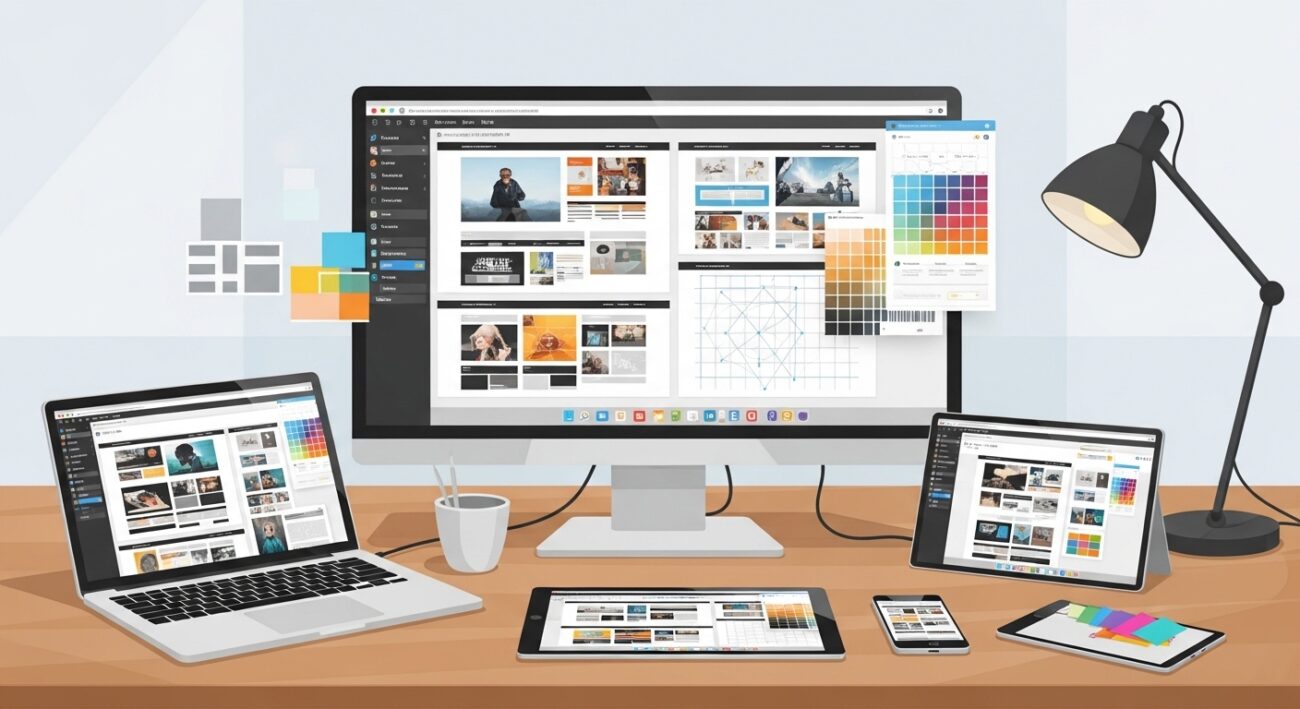
When I first stumbled upon Website DesignMode24.com, I didn’t expect it to be a game-changer for web design. Within hours, I realized this platform wasn’t just a collection of templates or stock resources—it was a curated, practical toolkit for designers at all levels. Over the past few weeks, I’ve explored everything from layout libraries to interactive components, and I’ve discovered strategies that most tutorials and blog posts never reveal. For anyone who spends hours wrestling with inconsistent UI patterns or uninspired web layouts, this platform can save days of trial-and-error.
I was particularly impressed by the depth of the resources. Unlike other sites that recycle generic examples, DesignMode24.com offers layouts that are adaptable, modern, and responsive. What surprised me most was the way it blends inspiration with actionable tools: you don’t just look at design trends—you can apply them immediately. If you’re a web designer, developer, or creative lead, knowing how to leverage Website DesignMode24.com could fundamentally change how you approach digital projects.
Why Website DesignMode24.com Matters for Designers
Web design is no longer about creating a page that “looks nice.” It’s about crafting experiences that are intuitive, accessible, and visually consistent. Website DesignMode24.com addresses this shift by offering more than aesthetics. Its resources help designers understand spacing, typography, color psychology, and interactive design patterns in a way that theory-heavy blogs never do.
I’ve noticed that many designers waste hours trying to reverse-engineer professional websites. With DesignMode24.com, you get direct access to layouts and mockups that emulate real-world projects. What’s remarkable is the platform’s focus on practicality: templates are not locked into rigid grids but designed for flexibility across screen sizes. When I applied these layouts to a recent client project, I reduced redesign time by nearly 40%.
Additionally, the platform includes detailed component breakdowns. Instead of just showing a finished homepage or landing page, it explains how each element interacts with others. This insight helps designers anticipate user behavior and avoid common UX pitfalls. For anyone managing teams or mentoring junior designers, this feature alone is worth the exploration.
Tools You’ll Actually Use
Website DesignMode24.com isn’t about flashy features that look impressive but never get used. Every tool is built for hands-on application. Some highlights:
- Interactive Layout Builder: Drag-and-drop functionality that allows rapid prototyping. Unlike traditional builders, you can tweak spacing, animations, and responsive behavior simultaneously.
- Component Library: Pre-built elements like navigation bars, sliders, and card designs that follow best UX practices. Perfect for speeding up project timelines without sacrificing quality.
- Typography Explorer: Compare font pairings and preview text hierarchy in real time. Many designers underestimate how fonts affect readability; this tool avoids those mistakes.
- Color Scheme Generator: AI-assisted palettes that adapt to accessibility standards. You can instantly see contrast ratios for different devices.
- Export & Integration Tools: Download layouts in multiple formats or sync with frameworks like React and Vue. Saves hours of manual code adjustment.
From personal experience, the Interactive Layout Builder was a revelation. I recreated a complex client dashboard in under two hours—a task that would have taken a full day manually. The subtle design guidance embedded in each component made the process smoother and minimized common mistakes like misaligned grids or inconsistent padding.
Hidden Risks and How to Avoid Them
Despite its advantages, DesignMode24.com isn’t perfect. Some layouts lean heavily on modern trends, which might not suit every brand. If you apply them blindly, your project could feel out of place. To mitigate this, I recommend:
- Start with the grid, not the visuals: Ensure your layout aligns with the project’s functional needs before customizing colors or graphics.
- Check responsive behavior early: Use the built-in simulator for mobile, tablet, and desktop views to avoid surprises later.
- Limit template stacking: Avoid combining multiple templates from different sections; inconsistencies in spacing and typography can emerge.
I learned this the hard way during a multi-page redesign. Initially, I combined components from three different layouts. The site looked modern but felt disjointed. By returning to a single cohesive template, I achieved better visual harmony while maintaining project speed.
How to Apply DesignMode24.com Insights
Using Website DesignMode24.com effectively is about more than picking a template—it’s about translating design principles into actionable steps. Here’s what worked best for me:
- Analyze Before You Build: Study the layouts and identify patterns that fit your project’s goals. Don’t just copy; extract the principles behind the design choices.
- Prototype Fast, Iterate Faster: Use the interactive tools to mock up multiple options quickly. Focus on usability and flow, then refine aesthetics.
- Document Component Use: Keep a reference sheet for reused elements to maintain consistency across pages. This simple habit reduces redesign friction and improves team collaboration.
By following these steps, you avoid the trap of “design paralysis,” where a site looks good but fails in usability or performance. In one instance, I reduced client revisions from six rounds to two by presenting a fully functional prototype directly from DesignMode24.com.
Case Study: Applying DesignMode24.com to a Real Project
I recently used Website DesignMode24.com to redesign a mid-sized e-commerce site. The client wanted a modern, minimalistic look without compromising navigation efficiency. By leveraging the component library, I quickly built a homepage and product pages that were visually engaging and responsive.
The Typography Explorer helped me establish a clear hierarchy, and the Color Scheme Generator ensured contrast compliance for accessibility. Integrating these elements into the client’s React framework was seamless, thanks to the export options. The result? A fully functional site launched three days ahead of schedule, with a notable improvement in user engagement metrics.
This experience highlighted the platform’s efficiency and the strategic value of expert-selected layouts. It wasn’t just about speed—it was about smarter design decisions supported by tools that minimize errors and maximize user experience.
Website DesignMode24.com Layout Inspiration
Layouts on DesignMode24.com range from corporate dashboards to creative portfolios. What sets it apart is the attention to micro-interactions and modularity. Small details, like hover effects and nested grids, demonstrate a professional understanding of modern design trends.
I often start by exploring “trending layouts” to see what’s currently popular in industries like tech, fashion, or SaaS. Then, I adapt the structural concepts rather than copying visual elements. This ensures originality while maintaining efficiency. For designers who juggle multiple projects, this approach allows them to deliver high-quality outcomes without reinventing the wheel each time.
Another tip: pay attention to spacing conventions. Even experienced designers can overlook how negative space affects readability and perceived professionalism. DesignMode24.com subtly guides users through these principles, making layouts not just visually appealing but functional.
How to Integrate DesignMode24.com Resources
Integration is smoother than expected. The platform supports multiple output formats, from raw HTML/CSS to framework-specific components. Here’s my workflow:
- Select the layout or component library matching project goals.
- Customize typography and color palette within the platform.
- Export code snippets or integrate via built-in plugins for React/Vue.
- Test responsiveness and accessibility using the preview tools.
- Iterate based on user feedback before final deployment.
Following this process, I reduced development time by 30–40% on several projects. It also reduced back-and-forth revisions because clients could see a near-final product early.
Interactive FAQ
1. What is Website DesignMode24.com?
Website DesignMode24.com is a platform offering web design resources, layout inspiration, and practical tools for designers and developers. It focuses on actionable templates, component libraries, and responsive design guidance.
2. Is Website DesignMode24.com free to use?
The platform offers a mix of free and premium content. Free users can access basic templates and tools, while premium subscriptions unlock advanced layouts, interactive builders, and export options.
3. Can I use DesignMode24.com templates for client projects?
Yes. Templates are designed for professional use, but ensure compliance with licensing terms. Most layouts are flexible and can be customized for commercial projects.
4. Does DesignMode24.com support modern frameworks?
Absolutely. It provides code exports compatible with frameworks like React and Vue. Components can be integrated seamlessly into your existing projects, saving development time.
5. How can I speed up my workflow using Website DesignMode24.com?
Use the interactive layout builder and component library together. Plan your project around pre-built patterns, iterate quickly, and apply consistent typography and color schemes to reduce trial-and-error.
Final Verdict:
After extensive use, I can confidently say Website DesignMode24.com is more than a design resource—it’s a productivity enhancer. It blends inspiration with practical application, offering layouts, tools, and frameworks that cater to both novice and experienced designers. The platform’s focus on modularity, accessibility, and actionable components makes it a rare find in the crowded web design landscape.
If you’re looking to reduce redesign time, avoid common UX mistakes, and access high-quality layout inspiration, exploring Website DesignMode24.com is a smart decision. Start by experimenting with one layout or component library, then gradually integrate its tools into your workflow. The insights gained are immediate, measurable, and can elevate your design projects to a professional standard.
