
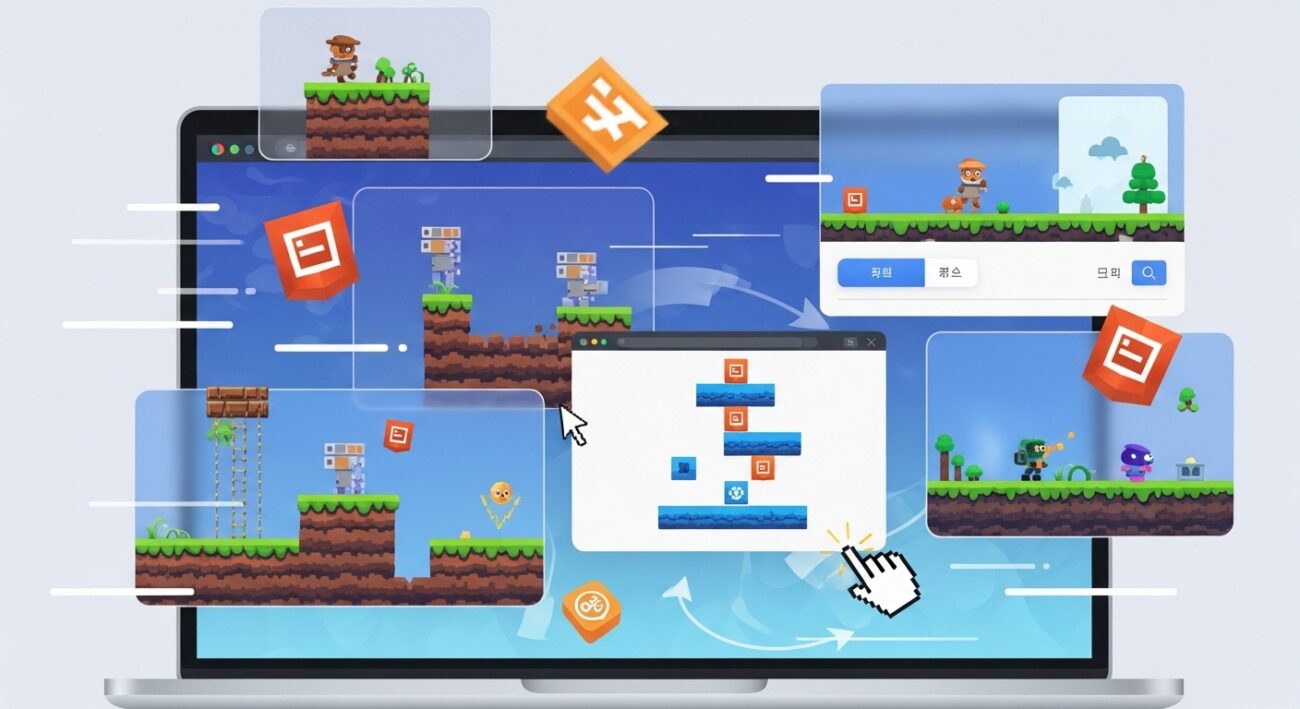
Online gaming has changed a lot over the past decade. Instead of downloading large files or installing heavy programs, many games today can run directly in a web browser. This shift has made gaming more accessible, especially for students and people using restricted networks like school or office systems. One of the most talked‑about platforms connected to this trend is Unbanned G+, a concept linked to browser-based gaming that works without traditional downloads.
The idea behind Unbanned G+ is simple yet powerful. It provides access to HTML5 browser games that load instantly on a web page. These games are lightweight, easy to play, and compatible with many devices, including Chromebooks and older laptops. Because they are hosted in clever ways—often on widely trusted web services—they can sometimes bypass strict network filters that block typical gaming websites.
This article explores how HTML5 browser games function, why platforms connected to Unbanned G+ are so popular, and how this technology allows users to enjoy interactive games without installing anything. You will also learn about the underlying web technologies, performance improvements, security considerations, and the future of browser gaming.
Understanding the Basics of HTML5 Browser Games
HTML5 browser games are a modern evolution of web entertainment. Instead of relying on outdated plugins like Flash, these games use the latest web standards supported by modern browsers. This means players can open a web page and instantly begin playing without installing additional software.
The core technologies behind HTML5 games include HTML5, JavaScript, and CSS. HTML5 handles the structure of the game page, JavaScript manages the logic and interactions, and CSS controls visual styling. Together, these technologies create interactive experiences that feel surprisingly similar to downloadable games.
The popularity of platforms associated with Unbanned G+ grew largely because HTML5 games are extremely lightweight and flexible. Developers can design games that load quickly even on slow internet connections. Since the entire experience runs inside the browser, players do not need administrative permissions or special access to install files, making these games convenient in restricted environments.
Another advantage of HTML5 gaming is cross‑device compatibility. A well‑built browser game can run on Windows laptops, Mac computers, Chromebooks, tablets, and even smartphones. This flexibility helps explain why browser gaming has become a widely used option for casual entertainment.
The Evolution of Browser Gaming Technology
Browser gaming has existed for decades, but the technology behind it has changed dramatically. In the early days of the internet, simple games were created using basic scripts or lightweight animations. These games were often slow and visually limited because browsers lacked advanced graphics capabilities.
Later, browser gaming entered the Flash era. Adobe Flash allowed developers to create more complex games with animations, sound effects, and detailed interactions. For many years, Flash dominated online gaming platforms. However, security issues and performance limitations eventually led to its decline.
The introduction of HTML5 marked a major turning point. This new web standard allowed browsers to handle graphics, animations, and multimedia without external plugins. As a result, developers began building advanced games directly with HTML5 technologies.
Platforms related to Unbanned G+ benefited greatly from this transition. Because HTML5 games can run smoothly on nearly any browser, they became the perfect choice for quick online play without installations. Over time, the performance of these games improved significantly, allowing developers to create richer gameplay experiences that once required dedicated software.
How Browser Games Run Without Downloads
The reason HTML5 games work without downloads lies in how web browsers process code. When you open a webpage, the browser retrieves the page’s files from a server. These files include HTML documents, style sheets, images, scripts, and sometimes audio or video elements.
For games, the process is similar. The browser loads the necessary code from the website and executes it locally on the device. JavaScript handles the game’s logic, controlling things like movement, scoring systems, and interactions with the player.
Because everything runs inside the browser environment, the game does not need to be installed on the computer. The browser acts as a platform capable of running complex applications. This is the core reason platforms linked with Unbanned G+ allow gaming without traditional downloads.
Another key component is browser caching. When a player opens a game, certain files may be stored temporarily on the device. This allows the game to load faster the next time it is played. The caching system improves performance while still avoiding permanent installations.
The Role of HTML5 in Modern Gaming
HTML5 plays a major role in making browser games possible. It introduced several features specifically designed to support interactive applications. One of the most important elements is the canvas API, which allows developers to draw graphics directly on the webpage.
The canvas element enables smooth animations and real‑time visual updates. Games like platformers, racing games, and puzzles can use canvas to render characters, backgrounds, and effects dynamically. This technology makes browser games feel much more responsive and visually appealing.
Another important feature is WebGL, which allows browsers to render 3D graphics. While many browser games remain simple and two‑dimensional, WebGL makes it possible to create more advanced experiences similar to traditional video games.
The success of platforms such as Unbanned G+ depends heavily on these capabilities. Without HTML5’s advanced features, browser gaming would remain limited and far less engaging. Instead, modern browsers now support sophisticated graphics and smooth gameplay directly inside a web page.
Why Browser Games Are Ideal for Restricted Networks
Many schools, libraries, and workplaces limit access to gaming websites in order to maintain productivity and reduce distractions. However, browser games sometimes remain accessible because they can be hosted on widely trusted platforms.
For example, some game collections are stored on services that organizations already trust for educational or professional use. Since these platforms are not primarily gaming sites, they may not be blocked by standard filtering systems.
This hosting approach contributed to the rise of communities around Unbanned G+. By placing game files on widely accepted domains, developers created gaming portals that appear similar to normal websites. As a result, users could sometimes access these games even on networks with strict restrictions.
Another reason browser games work well in these environments is their lightweight design. They require minimal bandwidth and do not install software, which reduces security concerns for network administrators.
The Technology Behind HTML5 Game Performance
Running a game inside a browser requires efficient performance management. Developers must optimize graphics, code execution, and resource usage to ensure smooth gameplay.
JavaScript engines built into modern browsers are extremely powerful. They can process complex calculations quickly, allowing games to update animations dozens of times per second. This speed ensures responsive controls and smooth movement.
Another performance improvement comes from hardware acceleration. Many browsers can use the computer’s graphics processing unit to render animations and visual effects. This reduces strain on the central processor and allows games to run more efficiently.
Platforms associated with Unbanned G+ often rely on these performance features. By combining optimized code with hardware acceleration, developers can deliver fast and enjoyable gaming experiences without requiring high‑end hardware.
Popular Types of HTML5 Browser Games
HTML5 browser gaming includes many different genres, each designed to run smoothly within the limitations of a web browser. Platform games are among the most popular because they rely on simple controls and quick levels.
Puzzle games also work extremely well in browser environments. These games focus on logic and problem solving rather than complex graphics, making them perfect for lightweight gameplay sessions.
Action and racing games have also become common in browser gaming ecosystems. With improved animation technologies, developers can create fast‑paced experiences that feel surprisingly dynamic.
Communities connected to Unbanned G+ often feature collections of games across multiple genres. This variety allows players to switch between different styles of gameplay depending on their mood or available time.
Device Compatibility and Cross‑Platform Support
One of the biggest advantages of HTML5 browser games is their compatibility across devices. Since they run in web browsers, they do not depend on a specific operating system.
A single HTML5 game can function on Windows computers, Mac systems, Linux devices, Chromebooks, and mobile phones. The browser acts as a universal platform capable of interpreting the game’s code.
Developers often design their games with responsive layouts that adjust to different screen sizes. This ensures the gameplay experience remains comfortable whether the user is playing on a laptop or a smartphone.
Platforms linked to Unbanned G+ benefit greatly from this flexibility. Users can access the same games across multiple devices without downloading or reinstalling anything.
Security and Privacy Considerations
Although browser games are convenient, security remains an important topic. Because games run inside a web page, users should be cautious about where they play them. Not all websites follow the same safety standards.
Trusted websites typically use secure connections and avoid unnecessary data collection. Players should avoid platforms that request unusual permissions or attempt to install unknown files.
HTML5 itself includes several security improvements compared to older technologies. Browsers run scripts within controlled environments known as sandboxes. This prevents game code from accessing sensitive system files.
When exploring gaming communities connected with Unbanned G+, it is wise to prioritize reputable sites and avoid suspicious mirrors or duplicates that may attempt to distribute unsafe content.
The Social Aspect of Browser Gaming
Browser games are often designed for quick and casual experiences. However, they also create opportunities for social interaction. Many games include leaderboards, score comparisons, or multiplayer features that allow players to compete with friends.
In school environments, browser games often become shared experiences among students during free periods. Players might challenge each other to beat high scores or finish levels faster.
Some browser games even include real‑time multiplayer features. These games allow users to compete or cooperate through internet connections directly from their browsers.
Communities around Unbanned G+ often grow through this shared gaming culture. Players discover new games together and recommend them to friends, creating a sense of community around simple browser entertainment.
How Developers Create HTML5 Browser Games
Developing an HTML5 browser game involves several technical steps. First, designers create the concept, gameplay mechanics, and visual style. They then translate these ideas into code using programming languages commonly used for web development.
JavaScript frameworks and game engines simplify this process. Tools like Phaser or Construct allow developers to build complex games with less manual coding. These engines provide built‑in features for animations, physics, and sound management.
Game assets such as characters, backgrounds, and sound effects are created using digital design tools. These assets are then integrated into the game engine and optimized for web performance.
Developers interested in distributing games through platforms connected with Unbanned G+ typically focus on lightweight designs that load quickly and work across multiple browsers.
Why Chromebooks Are Popular for Browser Gaming
Chromebooks are widely used in educational environments because they are affordable, secure, and easy to manage. However, their limited ability to install traditional software makes browser gaming especially appealing.
Since HTML5 games run directly in the browser, Chromebooks can handle them easily. Students can open a webpage and start playing without installing anything or modifying system settings.
This compatibility has contributed to the popularity of gaming communities related to Unbanned G+. Many Chromebook users discover these games as a convenient way to enjoy entertainment during breaks or free time.
Another advantage is that HTML5 games typically require minimal storage space. Because they load from online servers, they do not occupy permanent disk space on the device.
The Future of Browser Gaming
Browser gaming continues to evolve as web technologies improve. Modern browsers support advanced graphics, real‑time networking, and powerful scripting engines that make increasingly complex games possible.
WebAssembly is one of the most exciting developments in this area. It allows code written in languages like C++ to run efficiently inside browsers, dramatically improving performance for certain types of applications.
As these technologies mature, browser games may become nearly indistinguishable from downloadable games in terms of quality and responsiveness.
Platforms connected with Unbanned G+ could benefit from these improvements as developers create richer experiences that still require no downloads or installations.
Challenges Facing Browser Gaming Platforms
Despite its advantages, browser gaming still faces several challenges. Performance limitations can occur on older devices, especially when games rely heavily on graphics or complex calculations.
Network restrictions can also affect access to certain gaming websites. While some platforms remain accessible in restricted environments, administrators may update filtering systems over time.
Another challenge involves maintaining safe and legitimate hosting environments. Because browser games can be distributed easily, some sites may host unofficial copies or modified versions of games.
Communities connected to Unbanned G+ must continually adapt to these challenges by improving hosting strategies and encouraging responsible usage.
Why Casual Gaming Continues to Thrive
Casual gaming has become one of the most popular forms of entertainment on the internet. People enjoy quick games that can be played during short breaks rather than committing hours to complex titles.
Browser games fit perfectly into this lifestyle. They load quickly, require no setup, and allow players to start and stop at any time.
This convenience explains why platforms related to Unbanned G+ remain widely discussed among students and casual gamers. The ability to open a browser and instantly access a collection of games makes the experience simple and appealing.
As long as users continue seeking quick entertainment without downloads, browser gaming will likely remain an important part of the online gaming ecosystem.
Conclusion
Browser gaming has come a long way from its early days of simple scripts and limited graphics. Modern HTML5 technologies have transformed web browsers into powerful platforms capable of running interactive games with smooth performance and impressive visuals.
The concept of Unbanned G+ highlights how these technologies can be used to provide gaming experiences without downloads or installations. By hosting HTML5 games on accessible platforms, developers have created convenient portals that allow players to enjoy entertainment directly in their browsers.
As web technology continues to improve, browser games will likely become even more advanced. Faster scripting engines, better graphics support, and new tools like WebAssembly will expand what developers can achieve within the browser environment.
For casual gamers and students alike, the ability to play instantly without installing software remains a powerful advantage. Whether for quick entertainment during a break or for exploring new types of interactive experiences, browser gaming is likely to remain a popular and evolving part of the digital world.
FAQ
What is Unbanned G+ and how does it work?
Unbanned G+ refers to online platforms or collections of HTML5 browser games that can be accessed directly through web browsers without downloading software. These games run using web technologies like HTML5 and JavaScript, allowing players to open a webpage and start playing instantly.
Why do HTML5 games not require downloads?
HTML5 games run inside a web browser rather than as standalone applications. When a user opens the game page, the browser loads the necessary files from the server and executes them locally. This process allows platforms such as Unbanned G+ to provide gaming experiences without installing anything on the device.
Can Unbanned G+ games run on Chromebooks?
Yes, many games associated with Unbanned G+ are designed to run smoothly on Chromebooks because they are browser‑based. Chromebooks rely heavily on web applications, making HTML5 games an ideal form of entertainment for these devices.
Are browser games safe to play?
Most HTML5 browser games are safe if they are hosted on reputable websites. However, players should avoid suspicious platforms that request unusual permissions or attempt to install additional software. When accessing communities related to Unbanned G+, it is best to choose trusted and secure websites.
Why are HTML5 games so popular in schools?
HTML5 games are lightweight, easy to access, and compatible with many devices used in educational environments. Because they run directly in browsers without downloads, platforms connected with Unbanned G+ often become popular among students looking for quick entertainment during breaks.
