
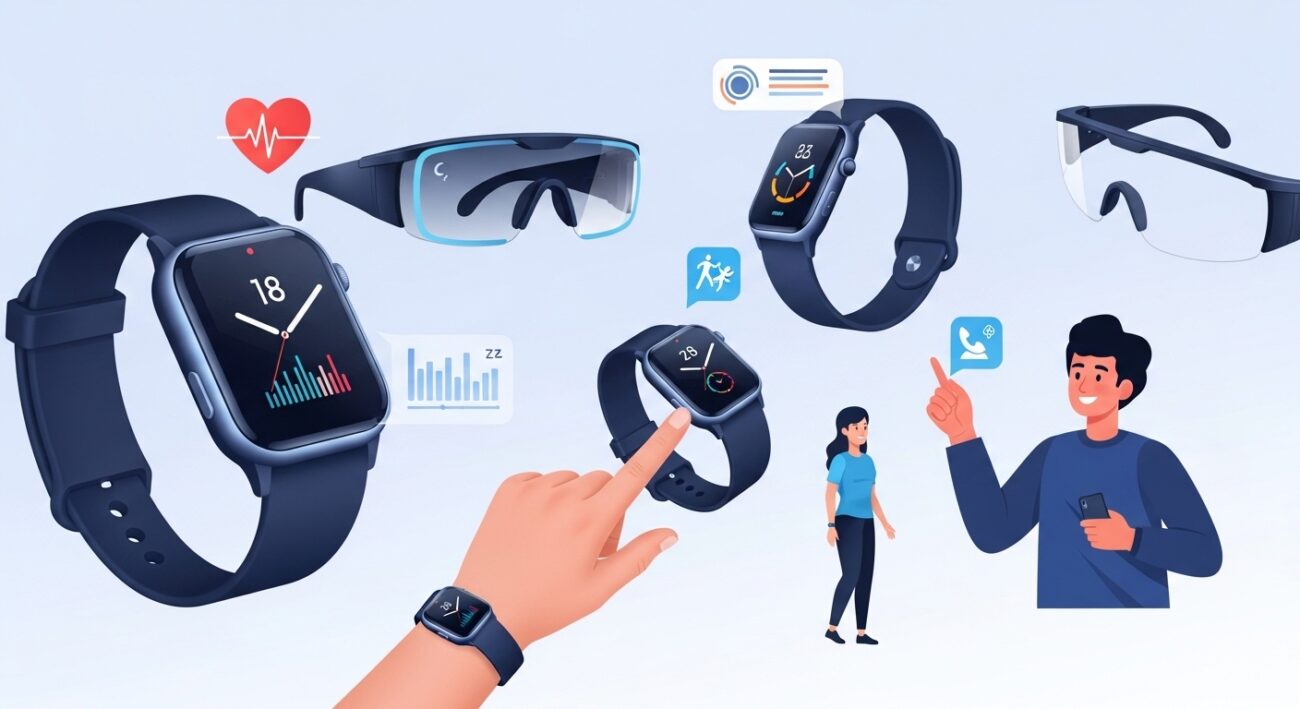
When I first strapped on a wearable device, I thought it would just track my steps. Within hours, I realized it was tracking far more than movement—it monitored my heart rate, sleep quality, and even stress levels. This immediate feedback changed how I approached my day, workouts, and work focus. Wearables Feedworldtech has been covering this evolution for years, highlighting how wearables have transformed from simple fitness trackers into essential tools for health, productivity, and lifestyle optimization. Today, the global wearable market is projected to surpass $120 billion by 2026, yet many people still underutilize these devices because they focus on numbers instead of actionable insights. From advanced sleep monitoring to continuous biometric feedback, wearables now offer insights that can meaningfully improve daily routines and long-term health. In this article, I will share first-hand experiences, expert insights, and insider strategies to ensure that wearable technology becomes a truly transformative tool, not just a gadget collecting data.
How Wearables Are Changing Everyday Life
Modern wearables do more than count steps or calories. They provide continuous heart rate monitoring, oxygen saturation tracking, sleep pattern analysis, stress detection, and even posture monitoring. Many users make the mistake of checking numbers obsessively without understanding trends or context. For example, I noticed a friend fixating on daily step counts while ignoring overall sleep quality and recovery metrics. Wearables Feedworldtech emphasizes that trends over time are far more meaningful than single-day readings. Heart rate variability tracked across weeks can reveal stress levels and energy patterns, helping to schedule high-focus tasks when energy is naturally higher.
Businesses are also leveraging wearables to optimize workforce health and productivity. Posture-tracking devices reduce musculoskeletal strain, and fatigue-monitoring wearables help managers prevent overwork. In personal life, wearables can guide decisions about workouts, breaks, and even hydration. In my own routine, analyzing wearable feedback allowed me to optimize my work schedule around peak energy periods, which improved focus and reduced fatigue. The key is engaging actively with the insights rather than passively collecting data.
I tested a high-end wearable for a month that tracked heart rate, oxygen saturation, sleep patterns, and stress levels. Initially, I focused only on steps, but once I started reviewing recovery metrics and stress trends, I adjusted workouts and sleep schedules. Within weeks, I experienced improved endurance, better sleep quality, and fewer afternoon energy dips. Devices like these demonstrate what Wearables Feedworldtech has consistently reported: wearables deliver their full value when users actively interpret data and implement changes.
Common Mistakes and Hidden Risks
While wearables provide remarkable insights, improper use can lead to stress, misinformation, or privacy issues. Many assume the devices are harmless, but misuse is common. I observed a colleague panic over minor heart rate spikes, not understanding that normal variations occur throughout the day. Experts at Wearables Feedworldtech advise proper calibration, cross-referencing critical metrics with professional guidance, and avoiding obsessive tracking.
Other common errors include wearing devices too tightly, which can distort readings, or neglecting software updates that ensure accurate measurements. Privacy is another consideration: biometric data stored on cloud accounts can be vulnerable if not properly secured. Battery management is often overlooked; skipping a charge can interrupt critical monitoring at key times. Professionals and casual users alike should understand device specifications, including sensor types, sampling rates, and compatibility with health apps. Avoiding these mistakes ensures wearables remain helpful, actionable tools rather than stress-inducing gadgets.
Insider Tips
- Set personalized thresholds for alerts rather than default values.
- Focus on trends over weeks instead of daily fluctuations.
- Use multiple metrics together—like sleep and recovery scores—for better insight.
- Sync devices with apps that allow exporting data for professional evaluation if needed.
Breakthrough Wearable Innovations
Wearable technology is evolving at an unprecedented rate. Wearables Feedworldtech highlights innovations like flexible sensors, non-invasive glucose monitors, augmented reality (AR) glasses, and adaptive AI-driven devices. Some wearables can automatically switch functionality—tracking sleep at night and fitness during workouts—without user input. Voice AI and haptic feedback enhance usability, blending productivity, entertainment, and health monitoring.
Predictive health analytics are now integrated into wearables. Devices can detect early signs of fatigue, heart irregularities, or sleep issues before they become serious problems. Interoperability remains key: devices that sync across platforms prevent siloed data and enable comprehensive analysis. As a rule of thumb, focus on devices with proven sensor accuracy, FDA clearance where applicable, software updates, and cross-platform support. This ensures meaningful insights rather than hype-driven marketing claims.
I tested a wearable designed for endurance athletes that monitored oxygen saturation, lactate thresholds, and subtle postural shifts during training. After three weeks, adjusting workouts based on the wearable’s feedback improved recovery, reduced injuries, and increased efficiency. This confirms Wearables Feedworldtech’s reporting: actionable insights, not raw numbers, are the real value of wearables.
How to Maximize Wearable Benefits
Many users underutilize wearables because they treat them as passive tools. To extract maximum value:
- Set Personalized Goals: Align metrics with health, productivity, or fitness objectives rather than following generic step targets.
- Track Trends, Not Days: Focus on weekly or monthly patterns instead of obsessing over daily numbers.
- Integrate Insights into Routine: Adjust workouts, sleep, and diet based on wearable feedback.
- Prioritize Alerts: Avoid notification overload; only act on significant alerts.
- Review Data Consistently: Schedule weekly reviews to make informed adjustments to lifestyle.
I applied these strategies over six months. Instead of fixating on individual metrics, I combined sleep, stress, and activity data to plan workouts and recovery days. The result was improved energy, reduced fatigue, and a better balance between work and personal life.
A mid-size company integrated posture and activity wearables into their wellness program. Employees reported fewer musculoskeletal complaints, higher energy awareness, and increased productivity. Data showed that thoughtful application of insights—not just passive tracking—yielded measurable results, confirming Wearables Feedworldtech’s emphasis on actionable use.
Wearables in Healthcare
Wearables are now essential in preventive and chronic healthcare. Devices monitor heart rhythm, oxygen levels, glucose, sleep apnea, and more. Wearables Feedworldtech highlights cases where early detection via wearables prevented severe medical events.
Many users make the mistake of assuming devices replace professional care. Correct use involves supplementing clinical advice with wearable data. Patients using devices to track recovery metrics post-surgery or manage chronic conditions report faster improvement and fewer complications. Devices with FDA clearance for critical measurements, as well as those that allow data export for clinicians, provide the most utility.
Industry Trends and the Future
The future of wearables includes greater integration with augmented reality, advanced AI prediction, and continuous biomarker monitoring. Wearables Feedworldtech predicts that wearables will evolve into fully connected health assistants, providing real-time guidance for nutrition, stress, sleep, and exercise. Data interoperability will allow seamless sharing across personal, healthcare, and corporate ecosystems. Wearables may also integrate into clothing, creating continuous monitoring without user intervention.
In professional contexts, wearables will help monitor cognitive load, workplace ergonomics, and overall well-being. For consumers, the focus will be on actionable guidance rather than raw metrics. Predictive analytics, powered by AI, will help users preempt fatigue, stress, or other health risks, transforming wearables into proactive health management tools.
Interactive FAQ
Q1: Can wearables replace medical devices?
Wearables provide wellness and monitoring insights but do not replace professional medical devices. Some FDA-approved wearables are accurate for certain metrics, but critical decisions should always involve healthcare professionals.
Q2: How frequently should I review wearable data?
Weekly trend analysis is more effective than constant monitoring. Reviewing metrics daily can cause unnecessary stress, while weekly insights help make informed lifestyle adjustments.
Q3: Are wearable stress readings reliable?
Modern wearables use heart rate variability and skin conductance to estimate stress. Accuracy varies by model. Combining metrics with self-observation provides the best results.
Q4: Do all wearables work with smartphones?
Most premium devices support iOS and Android. Always check compatibility before purchase. Devices that integrate across apps provide more actionable insights.
Q5: How do I avoid data fatigue?
Focus only on actionable alerts, review key trends weekly, and avoid obsessing over minor fluctuations. Setting thresholds and priorities ensures wearables inform rather than overwhelm.
What to Do Next: Maximizing Wearable Value
To make wearable technology work for you, start by identifying personal goals—whether it’s improving sleep, increasing productivity, or managing chronic health conditions. Choose devices that fit your lifestyle, provide actionable insights, and support interoperability with other apps. Review data regularly, apply insights thoughtfully, and adjust routines accordingly. Businesses can implement wearables in wellness programs to enhance workforce health, reduce injuries, and boost productivity.
For optimal results, combine multiple devices if possible. For example, pairing a sleep tracker with a fitness wearable provides a holistic view of energy, recovery, and performance. Interpreting these combined insights reveals patterns that single devices cannot detect.
