
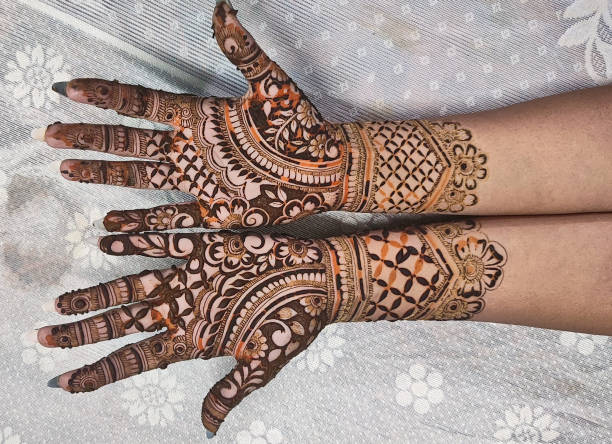
Mehndi, also known as henna art, is an exquisite tradition that transforms hands and feet into beautiful canvases. For centuries, this art form has symbolized joy, celebration, and elegance across cultures, especially in South Asia and the Middle East. The practice of applying mehndi is not just about aesthetics—it’s a cultural ritual, an expression of creativity, and a way to honor special occasions.
Today, mehndi has evolved beyond traditional patterns, embracing modern and minimalistic styles that appeal to contemporary tastes. Among these trends, the simple mehndi design stands out for its subtle charm, focusing on elegant lines and minimal coverage while maintaining a delicate beauty. This style is perfect for casual gatherings or for those who prefer understated elegance over elaborate patterns.
The History and Significance of Mehndi
The history of mehndi stretches back thousands of years, with evidence suggesting its use in ancient civilizations for ceremonial, medicinal, and cosmetic purposes. In many cultures, henna has been associated with good fortune, protection from evil, and the celebration of joyous events.
Weddings are one of the most common occasions for applying mehndi. Brides traditionally have their hands and feet adorned with intricate designs symbolizing prosperity, love, and fertility. Mehndi ceremonies often involve music, dance, and family gatherings, making the application of henna both a social and artistic celebration.
In addition to weddings, festivals like Eid, Diwali, and Karva Chauth often involve applying henna. Beyond these events, mehndi has become a popular form of self-expression, appreciated worldwide for its artistic and decorative qualities.
Popular Mehndi Design Styles
Mehndi patterns have diversified over the years, with different regions contributing unique styles that reflect their cultural identity.
Indian mehndi designs are known for their dense and elaborate patterns. These designs often cover the entire hand and include motifs such as paisleys, peacocks, flowers, and intricate geometric shapes. They are ideal for bridal mehndi because of their rich and elaborate appearance.
Arabic mehndi designs focus on bold, flowing lines and floral arrangements. Unlike Indian designs, Arabic patterns often leave negative spaces that give the artwork a more airy and contemporary look. These designs are elegant and quick to apply, making them popular for festivals.
Moroccan mehndi emphasizes symmetry and geometric patterns, including squares, diamonds, and parallel lines. These designs are structured and visually striking, creating a bold artistic impression.
Minimalist mehndi, on the other hand, focuses on small motifs, often applied to the fingers, wrist, or a small section of the hand. The simple mehndi design is part of this category, offering elegance without overwhelming the skin with intricate patterns.
Key Elements of Mehndi Designs
The beauty of mehndi lies in its composition. Certain elements recur across styles, forming the foundation of every design.
- Floral Patterns: Flowers, petals, and blooming vines are central to most mehndi designs.
- Paisleys: Curved paisley motifs are classic symbols of fertility and creativity.
- Mandala Circles: Central circular designs often serve as the focal point of the pattern.
- Leaves and Vines: Swirling vines and small leaves add a delicate touch and connect different motifs.
- Dots and Filler Lines: Tiny dots, crosshatches, or lines fill spaces while enhancing depth and detail.
- Geometric Borders: Straight lines, triangles, and repetitive shapes frame the main motifs for balance.
A skilled artist combines these elements creatively, adjusting their density and placement to suit the occasion, whether it’s a full-hand bridal design or a small, elegant casual pattern.
Choosing Mehndi Designs for Different Occasions
The choice of mehndi design often depends on the occasion and personal preference.
Bridal mehndi designs are elaborate, covering the hands, arms, and sometimes feet with detailed motifs. These patterns often include symbolic imagery such as peacocks, mandalas, or hidden initials representing love and commitment.
Festival designs are moderately detailed. They often feature floral trails, wrist embellishments, and elegant finger designs, adding a festive look without requiring extensive application time.
Casual or minimalist mehndi focuses on smaller areas, making it ideal for informal gatherings or for those who prefer a less dense look. The simple mehndi design is perfect here, providing beauty and charm with minimal effort.
Comparison of Mehndi Styles
| Style | Key Features | Best For | Complexity |
| Indian Mehndi | Dense, intricate floral and paisley patterns | Weddings | High |
| Arabic Mehndi | Bold, flowing lines with negative space | Festivals | Medium |
| Moroccan Mehndi | Geometric shapes and symmetry | Cultural events | Medium |
| Minimal Mehndi | Small motifs, clean lines | Casual wear | Low |
| Bridal Mehndi | Full-hand elaborate designs | Bridal ceremonies | Very High |
This table helps in selecting the appropriate style according to the occasion and personal preference, highlighting both the aesthetic and practical differences.
Tips for Applying Mehndi
Creating beautiful mehndi designs requires patience and precision. Beginners should start with basic motifs like lines, dots, and small flowers before attempting more complex patterns.
Practicing on paper or plastic surfaces can help improve control over the henna cone, ensuring steady hands and cleaner lines.
Using fresh, high-quality henna paste is essential for achieving smooth application and a rich stain. Consistent pressure on the cone allows for uniform designs without breaks or smudges.
Planning the layout before applying the paste is also beneficial. Visualizing the flow of the design across the hand ensures symmetry and elegance.
Enhancing Mehndi Color and Longevity
A deeper and longer-lasting mehndi stain requires proper preparation and aftercare.
Before application, the skin should be clean and free of oils or lotions. This helps the henna adhere properly and produces a darker color.
After applying the paste, it should be left on for several hours. A mixture of lemon juice and sugar can be applied to keep it moist and improve the intensity of the stain.
Avoid washing the area immediately after scraping off the dried paste. Natural oxidation over the next 24 hours darkens the color. Applying natural oils like coconut or mustard oil can also protect the design and maintain its vibrancy.
Modern Mehndi Trends
Contemporary mehndi designs are influenced by minimalism, fusion, and decorative innovations.
Minimalist mehndi has become popular for casual and professional settings. Simple finger designs, wrist motifs, or single central patterns provide elegance without complexity.
Fusion mehndi blends elements from different cultural styles. For example, Arabic floral trails combined with Indian mandalas create unique, cross-cultural patterns.
Innovative additions such as glitter henna, white henna, and colored henna give modern designs a playful and fashionable twist. These trends appeal to younger audiences and those seeking novel ways to enjoy henna art.
Conclusion
Mehndi designs are a timeless art form that merges tradition with creativity. From dense bridal patterns to minimalist casual styles, henna offers a versatile medium to express beauty and cultural heritage.
Understanding different styles, motifs, and techniques allows anyone to appreciate mehndi’s artistic depth. Whether applied for weddings, festivals, or personal enjoyment, mehndi continues to captivate with its elegance and charm. The simple mehndi design exemplifies how understated patterns can be just as striking as elaborate ones, proving that beauty lies in creativity and thoughtful execution.
With evolving trends and modern innovations, mehndi will continue to thrive as a celebrated art form that honors history while embracing contemporary aesthetics.
