
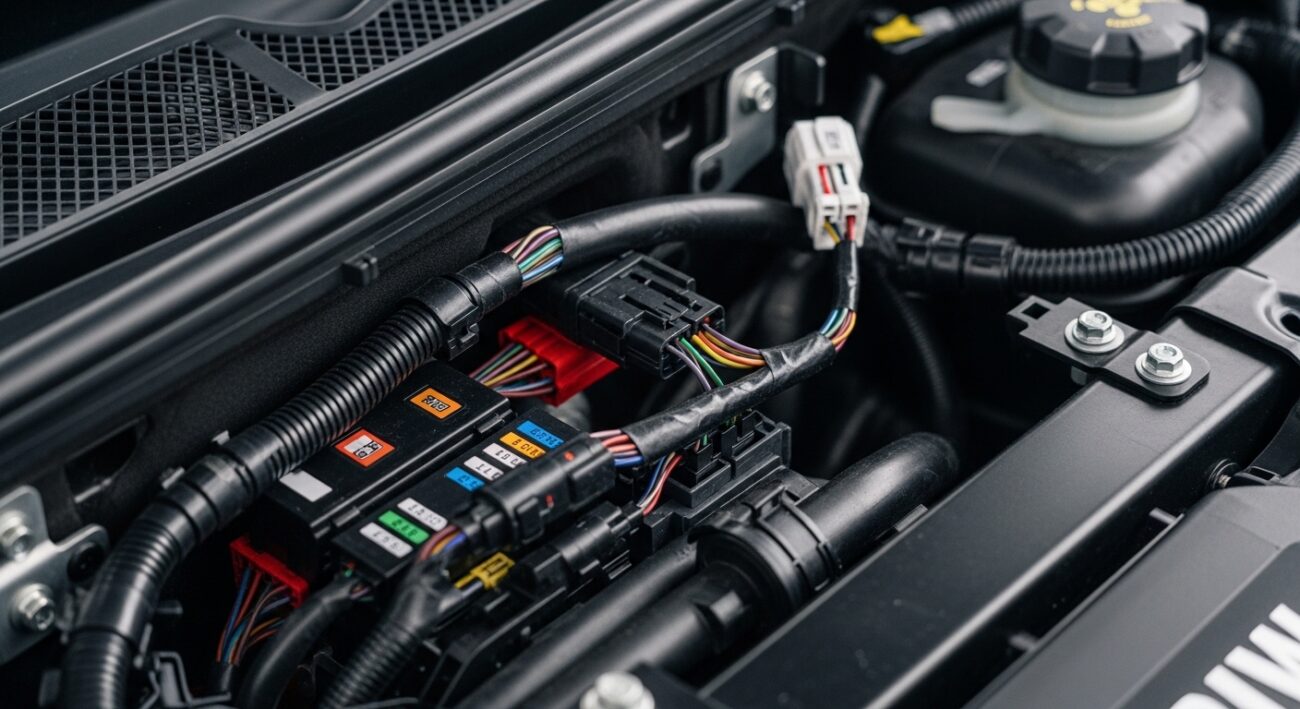
In the world of automotive maintenance and repair, technical identifiers like part numbers can often feel cryptic and intimidating. Yet these alphanumeric codes are essential to pinpointing the correct components for repair and replacement—especially in precision-engineered vehicles like those from BMW. One such number that frequently appears in BMW parts catalogs and diagnostic reports is 3392065094. While it might look like a random string of digits, this identifier carries important information about a specific electrical component used in certain BMW models. Understanding what this part does, how to recognize failures, and how to source and install replacements can save you time, money, and frustration whether you’re a DIY enthusiast or a professional technician.
This article will dive deep into the meaning, application, functionality, and best practices surrounding the part identified by 3392065094. You’ll learn not just what it is, but why it matters, how to diagnose related issues, and how it fits into the broader electrical architecture of BMW vehicles. From common symptoms of malfunction to installation tips and cost considerations, this comprehensive guide aims to demystify the technical details and provide practical insights you can use.
What Is 3392065094 and Why It Matters in BMW Vehicles
At its core, 3392065094 is a part number used in the BMW parts catalog to identify a specific electrical component. BMW, like all major automakers, assigns unique part numbers to every part used in their vehicles to ensure precise identification. This helps technicians and owners alike to order the correct replacement when servicing the car.
The number itself doesn’t inherently describe the function or appearance of the part, which is why it often causes confusion. Instead, it functions as a reference key that correlates to detailed information in BMW’s internal systems. When you look up 3392065094 in a parts database, it will reveal exactly which component it corresponds to—often detailing its name, the BMW models it fits, and how it integrates into the vehicle’s electrical system.
Understanding this number is crucial because using the wrong component can lead to electrical malfunctions, system errors, or even safety hazards. BMW’s electrical systems are complex, integrating sensors, modules, fuses, and wiring into a tightly orchestrated network. A single incorrect part, especially in critical circuits, can disrupt this balance.
When technicians diagnose an issue with a BMW vehicle, especially one involving electrical faults, they may encounter error codes or service information pointing to part numbers like 3392065094. Knowing how to interpret these identifiers helps in accurate diagnosis and ensures the right solutions are applied.
The Role of Electrical Components in Modern BMWs
BMW vehicles rely heavily on advanced electrical and electronic systems to manage everything from engine performance to driver comfort and safety. Electrical components perform essential tasks such as controlling lighting, fuel injection, climate systems, infotainment interfaces, and more.
Electrical parts vary widely in complexity. Some control simple functions like window motors, while others, such as control modules, manage entire subsystems. Regardless of complexity, every electrical part must be compatible with the vehicle’s architecture and communicate correctly with the car’s central computer systems.
The part represented by 3392065094 likely sits somewhere within this ecosystem. Depending on its specific designation, it could be a relay, sensor, module, or connector that plays a role in power distribution or signal transmission. In any event, improper functioning of such components can lead to a range of symptoms including intermittent faults, dashboard warnings, or complete system failures.
Vehicles like BMWs often use a Controller Area Network (CAN bus) system, where various modules share information across a network. A faulty part can disrupt communication within this network, potentially triggering misinterpretations by diagnostic tools or cascading failures in seemingly unrelated systems.
Recognizing the role and context of electrical parts within the broader vehicle system enhances your ability to troubleshoot issues effectively. It’s not just about replacing a defective piece; it’s about understanding how it interacts with other components and affects overall vehicle performance.
How to Identify When 3392065094 Needs Replacement
Unlike obvious wear-and-tear items like brake pads, electrical components don’t always show visible signs of damage. A part associated with 3392065094 might fail silently at first, and the symptoms could vary depending on its function. However, there are several common indicators that an electrical component is malfunctioning:
- Dashboard Warning Lights: Most modern BMWs will illuminate warnings if the system detects an electrical anomaly. Frequent or persistent lights should prompt further investigation.
- Intermittent Operation: Systems that work sporadically, such as lights flickering or accessories failing unpredictably, may point toward a faulty electrical component.
- Error Codes: A diagnostic scan using OBD-II tools can reveal specific fault codes that reference electronic components. Sometimes these codes are directly linked to part numbers like 3392065094.
- System Failures: Total loss of functionality in certain systems—like climate control, infotainment, or sensors—can also signal an underlying electrical issue.
If you observe any of these symptoms, it’s important to conduct a thorough diagnostic process rather than jumping straight to replacement. Many electrical issues are symptomatically similar, and multiple parts might exhibit the same failure signature. Accurate diagnosis often involves a combination of visual inspection, continuity testing, and module scanning to confirm which part is truly at fault.
Always refer to the vehicle’s service manual and wiring diagrams when investigating electrical problems. These resources will help you trace circuits and understand how the component tied to 3392065094 connects with other modules.
Diagnostic Tools and Techniques for BMW Electrical Issues
Diagnosing electrical problems in BMW vehicles requires the right tools and methodical testing. Below are the key tools and techniques professionals use to pinpoint issues with components like those associated with 3392065094:
- OBD-II Scanner: Essential for reading fault codes stored in the vehicle’s computer. Advanced scanners designed for BMWs can interpret manufacturer-specific codes.
- Multimeter: Measures voltage, current, and resistance, which helps determine whether circuits are receiving proper power and ground connections.
- BMW ISTA/D Software: Independent Software Technical Application/Diagnostic is the official BMW diagnostic suite. It provides detailed system tests and guided troubleshooting.
- Wiring Diagrams: Diagrams show how power and signals flow through circuits, making it easier to locate where a fault might be occurring.
- Oscilloscope: More advanced diagnostic tool used in complex cases to visualize electrical waveforms, especially useful in sensor diagnostics.
Diagnosis begins with capturing any stored fault codes through an OBD-II scanner. From there, technicians interpret the codes and combine that information with symptom observation. For example, if the vehicle reports a fault involving power distribution, you might follow the specific circuit affected and use a multimeter to test connections.
It’s also important to check for signs of physical damage like corroded connectors, frayed wires, or loose terminals. In many cases, electrical issues stem from connection problems rather than complete component failures.
A methodical approach prevents mistaken part replacements, which can be costly and ineffective if the real issue lies elsewhere. diagnosis focuses on isolating the circuit and understanding why the part isn’t functioning as intended.
Common Symptoms of Failure in BMW Electrical Modules
When an electrical component begins to fail, the symptoms can range from subtle to severe. While some failures result in complete system shutdowns, others manifest as intermittent or degrading performance. Common symptoms include:
- Unexpected Shutdowns: Systems like lights, sensors, or displays may turn off without warning.
- Error Messages: Digital dashboards in BMWs can display specific messages indicating where the fault might lie.
- Flickering or Dim Lights: This often points to power delivery issues that could stem from a failing relay, fuse, or connector.
- Strange Noises: Buzzing or clicking sounds can indicate issues with relays or actuators.
- Failure to Start: If the part in question affects ignition or fuel delivery circuits, the vehicle may not start at all.
Not all symptoms will directly point to the failed component identified by 3392065094, but recognizing patterns helps narrow down the root cause. For example, if multiple unrelated systems fail around the same time, the issue might be upstream—such as a power distribution module or communication bus fault.
In some cases, a failing component may still function intermittently before complete failure occurs. This inconsistency can be confusing and lead to misdiagnosis. Patience and careful observation, combined with thorough testing, are key to identifying the real problem.
How to Source the Correct Replacement for 3392065094
Once you’ve identified that replacement of the part associated with 3392065094 is necessary, the next step is sourcing the correct component. Here’s what to consider to ensure compatibility and quality:
- OEM vs Aftermarket: Original Equipment Manufacturer (OEM) parts are made by BMW or certified suppliers and offer the highest assurance of fit and performance. Aftermarket alternatives are often cheaper but can vary in quality.
- Part Verification: Always cross-reference the part number using official BMW parts catalogs or reliable third-party databases to ensure it matches your vehicle’s year, model, and configuration.
- Visual Confirmation: When possible, compare the physical appearance and connector layout of the replacement part with the original to avoid mismatch.
- Supplier Reputation: Purchase parts from reputable vendors or dealers who offer guarantees or return policies, reducing the risk of receiving defective components.
- Warranty Considerations: New electrical parts often come with warranties; verify the terms so you’re covered if the replacement fails prematurely.
It’s also advisable to check for any related parts that may require replacement at the same time. For example, if the component interfaces with sensors or connectors that show wear, replacing those simultaneously can prevent future problems and ensure better long-term reliability.
Step-by-Step Guide to Replacing a BMW Electrical Component
Replacing an electrical part in a BMW requires careful attention to detail. Here is a general procedure that applies to many electrical components, though specific steps can vary depending on part location and function:
- Disconnect the Battery: Always disconnect the negative battery terminal before working on electrical systems to prevent shorts or accidental deployment of safety systems.
- Access the Component: Remove any covers, trim, or panels needed to reach the part. This may involve interior trim removal or accessing parts of the engine bay.
- Disconnect Wiring: Carefully release electrical connectors. Press release tabs and avoid pulling on wires directly to prevent damage.
- Remove Mounting Hardware: Unscrew bolts or fasteners and carefully extract the component.
- Install the New Part: Position the replacement and secure it with the original fasteners.
- Reconnect Wiring: Ensure all connectors are fully seated and locked into place.
- Reconnect Battery and Test: Reconnect the battery and test the system to confirm successful operation.
While this guide provides a general outline, always refer to the specific service manual for your BMW model. The manual will detail torque specifications, safety procedures, and special tools required for your particular component.
Safety Considerations When Working With Vehicle Electrical Systems
Handling electrical components in vehicles carries certain risks if not approached with caution. Here are critical safety considerations to keep in mind:
- Battery Safety: The car battery stores significant energy. Disconnecting it properly helps prevent shorts and sparks.
- Static Electricity: Sensitive electronic modules can be damaged by static discharge. Ground yourself or use antistatic tools where necessary.
- Correct Tools: Using improper tools can strip screws, damage connectors, or harm delicate parts.
- Labeling Wires: If you must disconnect multiple connectors, label them to avoid confusion during reinstallation.
- Avoiding Pin Damage: Connectors often have small pins that can bend or break if forced; always align before pushing together.
Paying attention to these precautions not only protects you but also safeguards the vehicle’s electrical integrity. Electrical systems are intricate, and careless handling can lead to secondary issues that complicate repairs further.
Costs and Considerations: What to Expect for Repair or Replacement
Repairing or replacing an electrical component like the one associated with 3392065094 can vary in cost depending on several factors:
- Part Price: OEM parts generally cost more than aftermarket alternatives.
- Labor Charges: Professional labor rates vary by region and dealership, and complex installations can take longer.
- Diagnostic Fees: Many repair shops charge for diagnostic time, though this may be waived if repairs are performed with them.
- Additional Parts: If related connectors or harnesses are damaged, replacing these adds to overall cost.
It’s worth comparing quotes from independent BMW specialists and dealerships. Independent shops often offer lower labor rates while maintaining high-quality service. However, dealerships may have better access to OEM stock and manufacturer-specific diagnostic tools.
Before authorizing work, ask for a detailed estimate outlining part costs, labor, and any additional charges. Transparency in estimates helps you make informed decisions and avoid unexpected bills.
When to Seek Professional Help vs. DIY
Whether you should attempt a DIY repair or seek professional help depends on several factors:
- Skill Level: Electrical system repairs require a solid understanding of wiring, diagnostics, and safety procedures.
- Tools Available: Specialized tools like OBD-II scanners, multimeters, and even BMW-specific diagnostic software can make diagnosis and repair more accurate.
- Complexity of the Issue: If the fault impacts multiple systems or if you’re unsure where the problem lies, a professional’s expertise is valuable.
For minor component replacement in accessible locations, experienced DIYers with proper tools can often handle the job. However, if the issue involves complex diagnostics or inaccessible parts, seeking professional assistance ensures the repair is done correctly without causing collateral damage.
Future-Proofing Your BMW’s Electrical System
As vehicles become increasingly electrified and software-driven, maintaining a robust electrical system is more important than ever. Some tips to help future-proof your BMW include:
- Regular Diagnostic Scans: Periodic scans help catch faults early before they escalate into bigger issues.
- Keep Software Updated: BMW releases software updates that can enhance system stability and functionality.
- Protect Against Corrosion: Moisture and corrosion are leading causes of electrical failures—keep connectors clean and protected.
- Quality Replacement Parts: Always prefer high-quality OEM or trusted aftermarket parts to ensure performance and longevity.
By staying proactive, you can reduce the likelihood of unexpected electrical failures and enjoy reliable system performance over the life of your vehicle.
Conclusion: The Importance of Knowing Your Parts
Understanding part identifiers like 3392065094 goes far beyond memorizing numbers—it equips you to make smart decisions about maintenance and repairs in your BMW. These identifiers unlock specific component information that helps ensure accurate diagnosis, precise part sourcing, and successful repair outcomes.
Electrical components, while often hidden from view, play vital roles in vehicle functionality. Recognizing symptoms of failure, using the right diagnostic tools, and following safe, methodical replacement procedures will save you time, money, and frustration. Whether you’re a seasoned DIYer or rely on professionals, informed decisions lead to better reliability and performance.
