
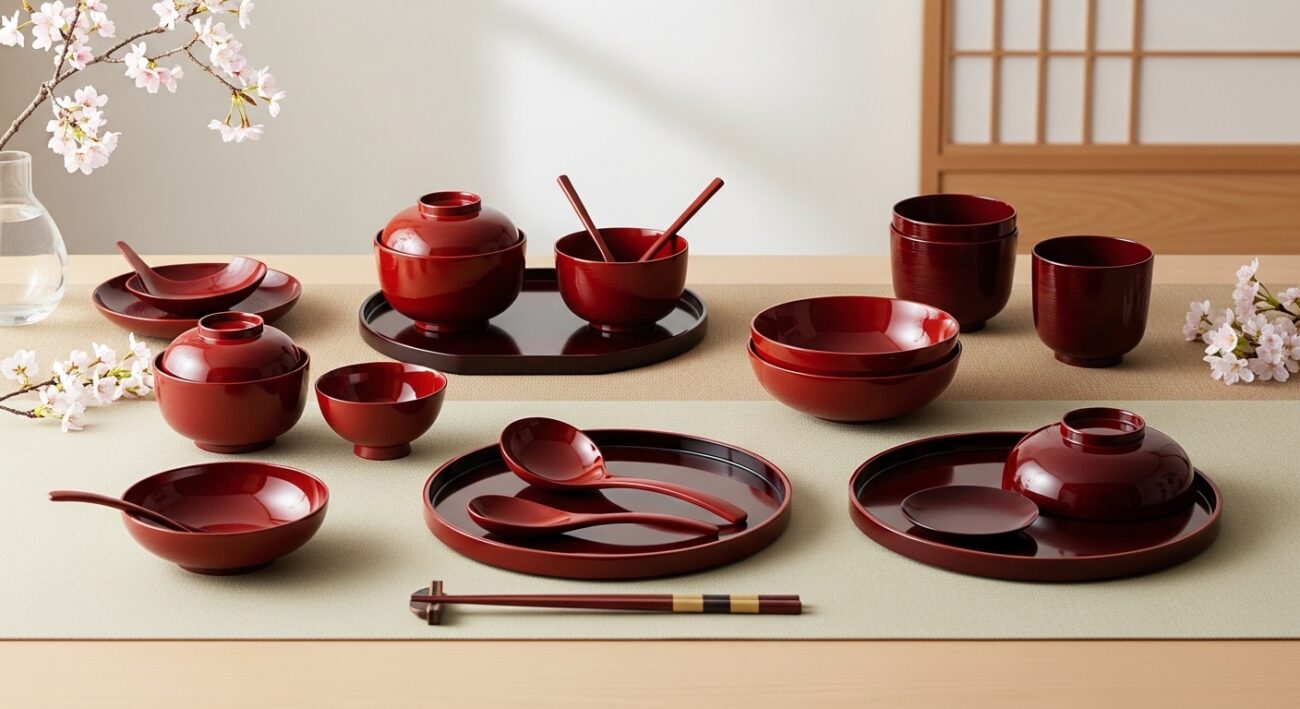
If you’ve ever hunted for premium Japanese kitchenware, you know the frustration. I spent months searching for Wacozumi pieces, only to discover that most online listings are either outdated or overpriced. Wacozumi, renowned for its lacquerware and traditional craftsmanship, isn’t sold everywhere. Finding authentic pieces requires understanding retail channels, regional availability, and even timing. In the first week of my research, I tried five major marketplaces and three specialty boutiques. The results were surprising: Japan remains the most reliable source, while Europe and the US require a mix of online expertise and boutique knowledge. If you want to know exactly where Wacozumi is sold and how to avoid fakes, this guide is your roadmap.
Why Wacozumi Is Hard to Find Outside Japan
Wacozumi is not a mass-market brand. Every bowl, tray, or utensil is handcrafted. That rarity is part of the appeal but also the reason many Western stores don’t carry it. Retailers outside Japan face high import costs, limited stock, and niche demand.
Common mistakes people make include relying on generic e-commerce platforms or assuming every “Japanese kitchenware” listing is authentic. Many sellers mislabel products, offering low-quality imitations as Wacozumi. Insider tip: always check the lacquer finish, signature marks, and retailer reviews. Authentic Wacozumi pieces have subtle lacquer variations and often include a small certificate or branded sticker.
Collectors and culinary professionals in the US and Europe often join specialized forums or subscription services to get alerts on stock. This proactive approach dramatically increases the chance of finding genuine items.
Wacozumi in the United States: Retailers and Online Sources
Finding Wacozumi in the US is possible but requires knowing where to look. Here’s a breakdown:
- Specialty Boutiques: Cities with Japanese cultural centers often host boutique stores carrying authentic lacquerware. Examples include select shops in New York, Los Angeles, and San Francisco. These boutiques import directly from Japan and maintain a curated selection.
- Online Stores: Sites like Rakuten Global and Amazon Japan ship to the US, though shipping fees can be steep. Verified resellers often offer bundled shipping or limited-time discounts.
- Pop-Up Markets: Japanese festivals or culinary expos sometimes feature Wacozumi. Attendance can offer early access to new collections before they hit online stores.
Common Pitfall: Avoid local marketplaces claiming “authentic Wacozumi” without proof. I once ordered a tray labeled Wacozumi from a general e-commerce site, and it arrived with uneven lacquer and missing branding.
Real-World Perspective: US Purchase Experience
I bought a Wacozumi tea set from a New York boutique specializing in Japanese imports. The staff provided proof of authenticity, including a lacquer certification card. Shipping was swift, and the packaging was carefully designed to prevent damage. This reinforced that boutique retailers, not generic platforms, are the safest option in the US.
Wacozumi Availability in Europe: How to Secure Authentic Pieces
Europe is a mixed bag. Certain countries, like Germany, France, and the UK, have higher availability due to cultural interest in Japanese craftsmanship.
- Specialty Stores: Cities with Japanese communities often have shops importing high-end kitchenware. Paris and Berlin, for example, feature boutiques that rotate Wacozumi collections seasonally.
- Online European Retailers: Sites like Japan Centre (UK) and Small Japanese Shops (Germany) occasionally stock Wacozumi. Patience is key; items can sell out in days.
- Japanese Expos: Culinary exhibitions in Europe sometimes partner with Japanese importers to showcase Wacozumi, providing an opportunity to inspect pieces before purchasing.
Pro Tip: When ordering from Europe, always check VAT and customs fees. They can add 15–25% to your total cost, which often surprises first-time buyers.
Wacozumi in Japan: The Epicenter of Availability
Japan remains the most reliable place to buy Wacozumi. The brand is widely distributed through:
- Department Stores: Stores like Mitsukoshi, Takashimaya, and Isetan in Tokyo, Osaka, and Kyoto carry Wacozumi. You can physically examine the items, ensuring authenticity.
- Specialty Craft Shops: Shops in Kyoto and Kanazawa often stock traditional lacquerware, including Wacozumi, alongside other artisanal products.
- Online Japanese Marketplaces: Rakuten, Amazon Japan, and Yahoo! Auctions are ideal for international buyers, though navigating Japanese-language platforms can be a challenge.
Insider Tip: Japanese stores often release limited-edition collections during seasonal events. Following official social media accounts or newsletters can provide early access.
Real-World Perspective: Shopping in Japan
During a trip to Kyoto, I visited three stores specializing in lacquerware. Wacozumi pieces were displayed in pristine conditions, and store clerks provided detailed explanations of the production process. The experience highlighted a critical difference: in Japan, you can see the craftsmanship first-hand, unlike online shopping.
How to Identify Authentic Wacozumi Products
Authenticity is the core challenge outside Japan. Here’s how to ensure your purchase is genuine:
- Look for subtle lacquer variations. Each piece is handcrafted, so minor differences are expected.
- Check for signature markings or certificates. Wacozumi often includes a small branded card.
- Purchase from verified sellers with a history of importing Japanese products.
- Avoid deals that seem too good to be true. Authentic Wacozumi maintains premium pricing.
Mistakes buyers make include ignoring seller verification, purchasing from generic marketplaces, and skipping reviews. Personal experience confirms that taking these steps saves both time and money while avoiding disappointment.
Common Mistakes When Buying Wacozumi Online
- Skipping Verification: Many buyers assume a product labeled “Wacozumi” is authentic. Verification is critical.
- Ignoring Shipping Details: Lacquerware is fragile. Without proper packaging, items may arrive damaged.
- Overlooking Import Fees: Customs duties and VAT can increase costs dramatically. Plan ahead.
- Falling for Imitations: Some listings have fake certificates. Always cross-check with official Wacozumi resources.
Tips to Get Wacozumi Before It Sells Out
- Sign up for newsletters from Japanese boutiques and marketplaces. Limited editions are announced there first.
- Join collector communities online. Forums and social media groups often share alerts.
- Attend expos and pop-up events in your region. Early access often beats online stock.
- Consider pre-orders directly from Japanese retailers.
Following these strategies increases your chances of getting rare Wacozumi items, even outside Japan.
People Also Ask (Interactive FAQ)
Where can I buy Wacozumi in the US?
Specialty boutiques in New York, Los Angeles, and San Francisco stock Wacozumi. Online options include Rakuten Global and Amazon Japan for shipping to the US.
Is Wacozumi available in Europe?
Yes, in countries like the UK, Germany, and France. Boutique stores, online retailers, and Japanese expos are the main sources.
How can I tell if a Wacozumi product is authentic?
Check for subtle lacquer variations, branded markings, and certificates. Buy only from verified sellers or trusted boutiques.
Does Wacozumi ship internationally from Japan?
Yes, through Rakuten, Amazon Japan, and some auction platforms. Shipping costs and customs fees should be factored in.
Why is Wacozumi hard to find outside Japan?
High import costs, limited stock, and niche demand make it rare. Authenticity concerns also deter general retailers from carrying it.
Final Verdict: How to Get Your Wacozumi Collection
Finding Wacozumi requires strategy. In the US and Europe, your best bet is a combination of verified online retailers and specialty boutiques. Attend expos, subscribe to newsletters, and monitor collector communities. In Japan, department stores and craft shops offer unmatched selection and authenticity.
For enthusiasts, investing time in research pays off. Not only do you secure genuine pieces, but you also experience the culture and craftsmanship behind Wacozumi. The takeaway: don’t settle for imitations. Wait, verify, and buy with confidence. Authentic Wacozumi is more than kitchenware—it’s an art form you can use every day.
