
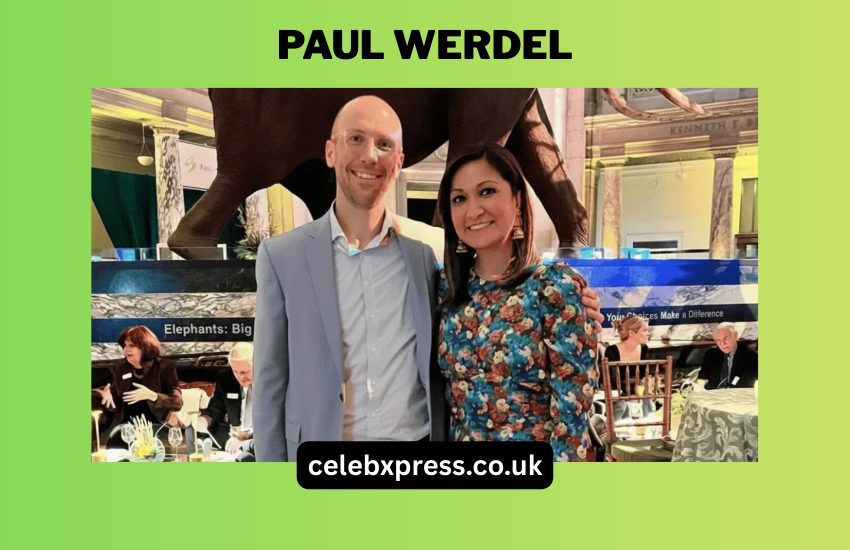
Few people understand the pressures of shaping stories the public consumes every day. Paul Werdel has spent over two decades navigating this world, quietly influencing how news reaches millions. As a senior editor and product strategist at The New York Times, Werdel transformed mobile news delivery long before apps became standard. Yet, his story is not only professional. Behind the headlines is a personal journey shaped by faith, family, and partnership. Married to PBS NewsHour co-anchor Amna Nawaz since 2007, Werdel balances high-profile media responsibilities with private family life in Washington, D.C. This article explores his career trajectory, personal milestones, and the strategies he uses to thrive both professionally and personally.
The Early Career Path of Paul Werdel
Paul Werdel’s career began in traditional journalism but quickly evolved alongside digital media. Before joining The New York Times, he served as a senior editor at Al Jazeera English, splitting time between Doha and Washington, D.C. His focus was always on storytelling that resonated across borders and cultures.
At Al Jazeera, Werdel honed his editorial instincts while managing teams responsible for breaking news in highly dynamic environments. Colleagues recall his ability to anticipate which stories would gain traction digitally—a skill that would later define his tenure at The New York Times.
Transitioning into product strategy, Werdel became a key player in integrating mobile-first thinking into news delivery. He recognized early on that the future of journalism depended on accessibility and user experience. This blend of editorial judgment and technical insight made him a sought-after leader in both newsrooms and tech-driven media spaces.
Innovation and Leadership at The New York Times
At The New York Times, Werdel’s impact was both strategic and tangible. He led initiatives that redefined mobile news consumption. One of his most notable contributions was streamlining the Times’ app experience, optimizing notifications, and redesigning article layouts for better readability.
His leadership style combined technical precision with empathy. Team members describe him as the kind of strategist who could foresee user engagement trends while keeping editorial integrity intact. This dual focus—on both the audience and the newsroom—became Werdel’s hallmark.
Insider Tip: Professionals in media strategy often underestimate the importance of cross-functional collaboration. Werdel’s success shows that understanding both the editorial and technical sides of news operations is crucial for impactful innovation.
Personal Life and Family Dynamics
Paul Werdel’s professional accomplishments are well-documented, but his personal life provides an equally compelling story. Married to Amna Nawaz, the couple maintains a relatively private household in Washington, D.C., raising two daughters while balancing high-profile careers.
Family routines reflect intentional choices. Werdel has spoken about structuring work around family priorities, emphasizing presence over mere availability. His approach demonstrates that even in demanding careers, creating rituals—like shared meals, weekend activities, and intentional conversations—strengthens relationships.
Faith also plays a central role in Werdel’s personal identity. His conversion to Islam added layers of spiritual meaning to his life and connected him to a broader community. This spiritual grounding has informed how he navigates both professional pressures and family responsibilities.
Marriage to Amna Nawaz: Partnership in Public and Private Life
The partnership between Werdel and Amna Nawaz offers a masterclass in balancing public attention and private intimacy. Amna, a prominent journalist herself, shares a worldview rooted in curiosity, integrity, and storytelling. Werdel complements this with strategic insight and technical expertise.
Their marriage thrives on mutual respect and shared values. Open communication, deliberate boundaries around media exposure, and synchronized career planning allow both partners to excel. The household operates on a principle of collaboration, whether deciding on career moves, managing public engagements, or parenting.
Real-World Perspective: In 2018, Werdel and Nawaz coordinated a significant career transition. While Amna was pursuing a major anchoring role, Werdel shifted focus to consulting and product strategy projects that offered flexibility. This adaptability exemplifies a high-functioning professional marriage, where both careers advance without compromise.
Lessons from Paul Werdel’s Professional Journey
For aspiring media professionals, Werdel’s trajectory offers practical lessons:
- Embrace change: Moving from traditional journalism to digital product strategy requires agility. Werdel shows that anticipating industry shifts is critical.
- Bridge gaps: Success often comes from connecting editorial priorities with technology solutions. Professionals who understand both can lead transformative projects.
- Prioritize user experience: Werdel’s work proves that content without accessibility is wasted potential.
- Mentorship matters: Teams flourish when leaders cultivate talent, not just manage projects.
Avoid common pitfalls, like over-prioritizing technical innovation at the expense of editorial quality. Werdel’s success highlights the value of balance.
FAQ: People Also Ask
1. Who is Paul Werdel married to?
Paul Werdel is married to Amna Nawaz, co-anchor of PBS NewsHour. They have been together since 2007 and live in Washington, D.C., with their two daughters.
2. What does Paul Werdel do professionally?
Werdel is a media strategist and product leader. He has held senior editorial and strategy roles at The New York Times, Al Jazeera English, and tech platforms, focusing on digital innovation.
3. Did Paul Werdel convert to Islam?
Yes, Paul Werdel converted to Islam. He has spoken publicly about his spiritual journey and the community connections it fostered.
4. Where did Paul Werdel work before The New York Times?
Before joining the Times, Werdel worked as a senior editor at Al Jazeera English in Doha and Washington, D.C., where he gained extensive international journalism experience.
5. How does Paul Werdel balance work and family life?
He prioritizes structured routines, open communication with his spouse, and flexible work arrangements. Werdel emphasizes quality presence with his family despite high-demand media roles.
Keys to a Balanced Career and Life
Paul Werdel’s story demonstrates that professional success and personal fulfillment are not mutually exclusive. By combining strategic foresight, adaptability, and a commitment to family, he exemplifies modern leadership in media. Aspiring professionals can emulate his model by valuing both impact and integrity.
- Strategic foresight: Anticipate industry trends and adapt skills proactively.
- Collaborative leadership: Build teams that respect both editorial and technical expertise.
- Family-first approach: Integrate personal priorities into professional planning.
- Community connection: Use faith or shared values to strengthen resilience and support networks.
Final Verdict: What You Can Learn
Paul Werdel’s life offers lessons that go beyond journalism. His career demonstrates the power of innovation, adaptability, and cross-functional expertise. His marriage to Amna Nawaz exemplifies how shared values and communication foster strong personal bonds. By observing his strategies, professionals can approach career, family, and personal growth with clarity and confidence. Embrace his example: combine skill, insight, and presence to thrive in every sphere.
