
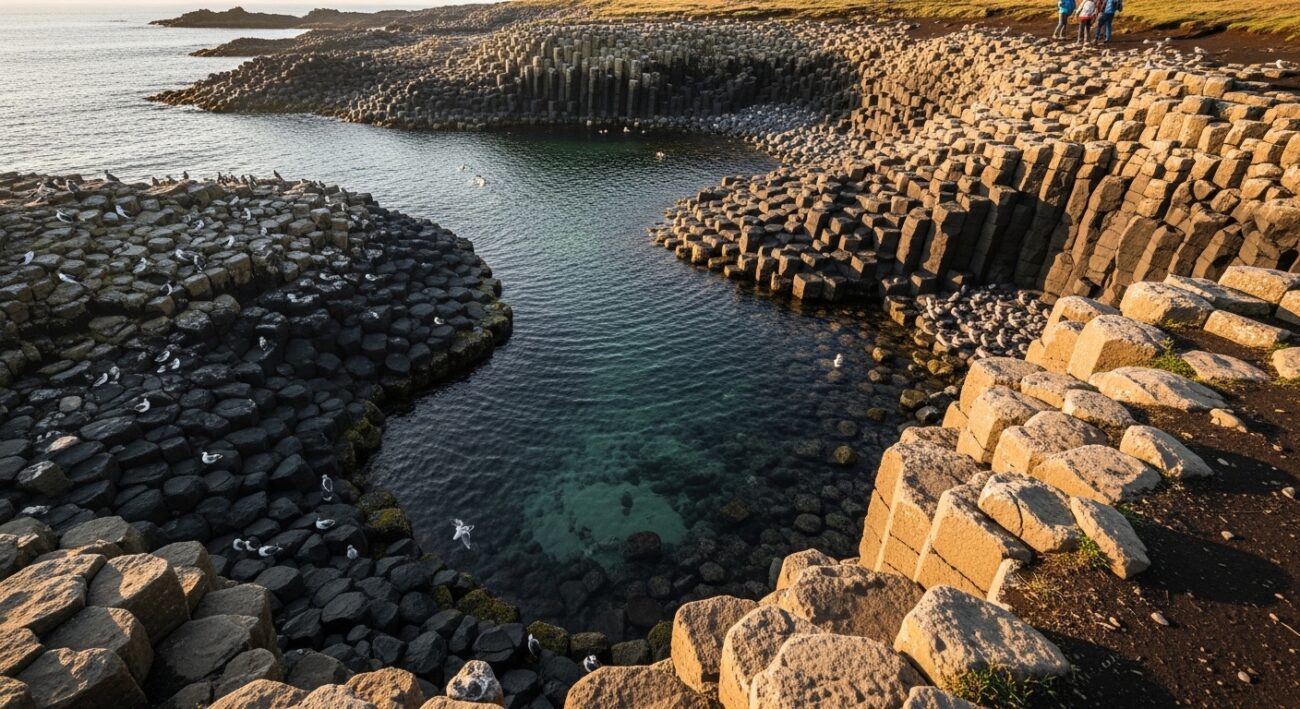
Walking along Nummazaki’s rugged coastline feels like stepping into a storybook where every cliff, lagoon, and basalt formation whispers tales of time. I remember my first sunrise trek here—fog rolling off the cliffs, seabirds circling overhead, and the quiet hum of waves crashing below. The highlights of Nummazaki aren’t just photo opportunities—they’re invitations to immerse yourself in adventure, nature, and culture all at once. From hidden lagoons to seasonal wildlife spectacles, Nummazaki challenges travelers to slow down and truly see. Most visitors stick to standard viewpoints, but the real magic lies off the beaten path, where jagged rock formations meet quiet waters and centuries of human heritage blend with unspoiled nature. In this guide, I’ll take you through seven essential experiences, each offering practical advice, insider tips, and my firsthand observations, so your journey here isn’t just a visit—it’s an encounter.
Rugged Shoreline Trails: Where Adventure Meets Spectacle
Nummazaki’s cliffs are carved from millennia of wind and waves, creating trails that test endurance while rewarding vision. These paths aren’t just scenic—they’re geological classrooms. Each basalt outcrop tells the story of volcanic activity, erosion, and marine influence. Hikers often make the mistake of arriving midday; the light flattens textures and hides the subtle colors of rock and vegetation. For photographers or adventurers, the optimal time is sunrise or late afternoon, when shadows sculpt the landscape.
Safety is another hidden concern. Some paths narrow abruptly, so proper footwear is essential. Don’t underestimate tide cycles either—certain trailheads flood during spring tides, cutting off your return route. Insider tip: start with the western loop and carry binoculars; seabirds and seals are common sightings. Solo travelers often report a meditative calm here. The thrill isn’t just in reaching the next viewpoint—it’s in observing nature’s rhythms, feeling wind-swept cliffs beneath your hands, and understanding that Nummazaki’s coastline is alive with stories of water, stone, and sky.
Real-World Perspective: On my second visit, I followed the northern trail alone. Midway, a pod of dolphins surfaced near the rocks. Having studied the tide schedule beforehand allowed me to linger safely. I captured the moment without a crowd around—a memory that standard tourist paths rarely offer.
Hidden Lagoons: Nummazaki’s Secret Pools
Few travelers stumble upon Nummazaki’s hidden lagoons, yet they’re some of the most peaceful spots on the peninsula. These crystal-clear pools form where rocky ridges shield water from strong currents, creating micro-habitats for colorful marine life. Morning light refracts off the water, offering perfect reflections for photography, while evening reveals flaming sunsets mirrored in still waters.
Many visitors underestimate how slippery the surrounding basalt can be. Insider tip: wear rubber-soled shoes and approach from the higher rocks to avoid accidents. For families, these lagoons provide shallow areas safe for children to explore under supervision. If your goal is sustainable interaction, avoid collecting shells or disturbing vegetation—these lagoons support delicate ecosystems that are critical to Nummazaki’s conservation programs. Observing small fish, crabs, and even rare mollusks in these waters is a subtle reminder that adventure doesn’t always mean high cliffs or long hikes; sometimes it’s the quiet, reflective moments that define the highlights of Nummazaki.
Basalt Rock Formations: Nature’s Geometric Masterpieces
Nummazaki’s basalt columns aren’t just scenic backdrops—they’re geological marvels. Formed from ancient lava flows that cooled in hexagonal patterns, these formations offer a tactile experience unlike any other. Many first-time visitors try climbing without considering safety. The rock’s texture varies from smooth, sun-warmed surfaces to jagged, weathered edges. My recommendation: wear gloves for handholds and study each column’s base before attempting any ascent.
Photographers and geologists alike find fascination in these natural sculptures. The columns’ angles create shifting shadows at different times of day, while interstitial cracks serve as microhabitats for mosses and tiny plants. For a richer experience, consider joining a guided hike with a local geologist—many share stories passed down about how ancient communities interacted with these rocks. Engaging with Nummazaki’s basalt formations isn’t just climbing or looking—it’s observing, touching, and understanding the slow processes that shaped an entire coastline over millions of years.
Marine Conservation Areas: Snorkeling with Purpose
Nummazaki is home to designated marine conservation zones where snorkeling offers a window into a vibrant underwater world. Coral gardens, tropical fish, and occasional sea turtles await those willing to explore responsibly. Many tourists make the mistake of swimming without orientation; currents can be stronger than expected, and some zones are off-limits during breeding seasons. Local guides provide safety gear and advice on respecting marine habitats.
Sustainable travel here isn’t optional—it’s necessary. These protected areas thrive because humans have minimized interference. I’ve seen visitors attempt to touch corals, unknowingly causing stress to the ecosystem. Insider tip: maintain a floating distance of at least two feet from the seabed, and use reef-safe sunscreen. The reward is undeniable: swimming among kaleidoscopic fish while knowing your actions support conservation. Nummazaki’s highlights extend below the surface, reminding travelers that adventure can be as gentle as observing life without altering it.
Seasonal Wildlife Migrations: Timing Is Everything
The peninsula’s wildlife schedule defines part of Nummazaki’s allure. Migratory birds visit between late March and early May, while whales and dolphins appear off the coast from December through February. Many visitors arrive without researching peak migration times, missing encounters that define the peninsula’s magic. Insider tip: local wildlife stations post live updates online—coordinate your visit with these forecasts for the best experience.
Observation requires patience. Bring binoculars and sit quietly near cliffs or conservation viewpoints. Even short encounters are memorable. I recall waiting over an hour for a whale pod to surface near the southern bluff—when it happened, the spectacle lasted barely two minutes, but it left an indelible impression. These moments exemplify why timing, preparation, and respect for natural rhythms are crucial. Experiencing seasonal wildlife at Nummazaki is less about ticking boxes and more about being present for ephemeral, awe-inspiring events.
Local Artisanal Heritage: Beyond the Landscape
Nummazaki’s human story complements its natural wonders. Local artisans work with sea-inspired materials to craft pottery, woven textiles, and delicate sculptures. Participating in workshops transforms a nature-centric visit into a cultural immersion. Many travelers overlook these opportunities, focusing solely on scenery. Insider tip: schedule workshops mid-morning when artisans are most engaged—they often share stories about how geography influences materials and design.
These interactions reveal Nummazaki’s living culture. Watching a weaver use coastal reeds or a potter shape clay mined nearby connects visitors to centuries of resourceful craftsmanship. Children often enjoy interactive sessions, and adults gain insight into sustainable practices rooted in tradition. Incorporating artisanal heritage into your itinerary enriches understanding of the peninsula, showing that the highlights of Nummazaki aren’t only natural—they’re human, creative, and enduring.
Indigenous Coastal Culture: Learning from the Past
Ancient communities left their mark on Nummazaki through rock art, ceremonial sites, and oral traditions. Visiting these locations is like opening a history book written in stone and story. Many tourists pass quickly, failing to grasp context or significance. Insider tip: hire a local guide or join family-friendly interactive programs to engage with history meaningfully.
Exploring these cultural layers offers perspective on how humans adapted to coastal life, navigated natural resources, and celebrated marine abundance. Some sites feature storytelling sessions or hands-on demonstrations, turning education into play. Experiencing indigenous culture alongside rugged trails, lagoons, and wildlife highlights shows that Nummazaki’s magic is multifaceted. Adventure and learning intertwine, reminding visitors that every cliff, lagoon, and basalt formation exists within a continuum of nature and human history.
Interactive FAQ: People Also Ask
Q1: What are the must-see highlights of Nummazaki?
The must-see highlights include rugged shoreline trails, hidden lagoons, basalt rock formations, marine conservation areas, seasonal wildlife migrations, local artisanal workshops, and indigenous coastal sites. Each offers adventure, photography opportunities, or cultural insight.
Q2: When is the best time to visit Nummazaki?
Timing depends on your interest: spring for migratory birds, winter for whale sightings, and summer for calm lagoons. Sunrise and late afternoon offer optimal light for trails and photography.
Q3: Are Nummazaki trails suitable for families?
Yes, many trails have moderate difficulty levels. Select paths like the western loop for safety, bring proper footwear, and supervise children near cliffs or slippery basalt areas.
Q4: Can I snorkel safely in Nummazaki’s conservation zones?
Absolutely, with guidance. Use reef-safe sunscreen, maintain distance from coral and marine life, and follow local regulations. Avoid touching or disturbing the seabed to protect ecosystems.
Q5: How do I experience Nummazaki’s cultural heritage?
Join artisan workshops, interactive history programs, or guided tours of rock art and indigenous sites. Engaging directly with local craftspeople and storytellers enriches understanding beyond sightseeing.
Exploring Nummazaki: Your Next Steps
Nummazaki isn’t a place you merely visit; it’s a destination you experience through careful observation, adventure, and cultural curiosity. Start your journey with sunrise trails, explore hidden lagoons, and immerse yourself in basalt landscapes. Respect wildlife schedules and marine conservation rules, and dedicate time to artisanal and indigenous encounters. By combining natural beauty, seasonal events, and cultural depth, you’ll leave with a collection of experiences that are rare, memorable, and deeply personal.
Plan your itinerary around your interests—photography, family-friendly activities, or wildlife observation—and book guided tours when needed to maximize safety and insight. Nummazaki’s highlights aren’t hidden—they’re waiting for travelers who take the time to look, listen, and engage.
