
Introduction
Chronic foot pain can be frustrating, confusing, and even frightening, especially when it continues for a long time without clear improvement. One term that is sometimes used to describe persistent nerve-related foot pain is pavatalgia. When people first encounter this condition, one of the most common concerns they have is about long-term health and survival. This naturally leads to the question: how long can i live with pavatalgia?
The reassuring answer is that pavatalgia is not a life-threatening condition. It does not affect vital organs or shorten life expectancy. Instead, it is a chronic pain condition that mainly impacts comfort, mobility, and quality of life. Many people live normal, full lifespans while managing this condition with proper care and treatment.
Understanding pavatalgia in detail helps reduce unnecessary fear. Chronic pain conditions often feel overwhelming, but they are usually manageable with lifestyle changes, medical support, and consistent care. This article explores what pavatalgia really is, its causes, symptoms, treatment options, and long-term outlook so you can better understand what to expect and how to live well with it.
What Pavatalgia Means and Why It Is Not Life-Threatening
Pavatalgia refers to persistent pain in the foot, often linked to nerve irritation, inflammation, or mechanical stress. Although the word itself may sound serious, it is not associated with any condition that threatens life expectancy. Instead, it falls under the category of chronic pain disorders that affect comfort rather than survival.
When people search how long can i live with pavatalgia, they are usually worried that ongoing pain might indicate something dangerous. However, pavatalgia does not damage internal organs, does not spread throughout the body in a fatal way, and does not lead to systemic failure. It remains localized to the foot and surrounding nerves.
Most individuals with pavatalgia continue living normal lifespans. The main challenge is not lifespan but lifestyle. Daily activities like walking, standing, or exercising may become uncomfortable, but with proper treatment, these limitations can often be managed effectively.
It is also important to understand that chronic pain does not always mean progressive disease. In many cases, pavatalgia remains stable or improves over time with the right care approach. This makes early diagnosis and treatment very important for long-term comfort.
Causes, Risk Factors, and Development of Chronic Foot Pain
Pavatalgia can develop for several reasons, and understanding these causes helps in both treatment and prevention. One of the most common causes is nerve compression in the foot due to tight footwear, repetitive pressure, or biomechanical imbalances. Over time, this pressure irritates the nerves and leads to chronic pain.
Another major contributing factor is injury. Previous trauma to the foot, such as fractures, sprains, or ligament damage, can sometimes lead to long-lasting nerve sensitivity. Even after the physical injury heals, nerve pathways may continue to send pain signals, resulting in ongoing discomfort.
Medical conditions such as diabetes can also increase the risk of developing nerve-related foot pain. In such cases, nerve health is affected more broadly, and symptoms may become more persistent. However, even in these situations, pavatalgia still does not affect life expectancy when properly managed.
Lifestyle factors also play a role. Long hours of standing, lack of supportive footwear, obesity, and poor posture can all increase stress on the feet. Over time, these small stresses accumulate and may contribute to chronic pain development.
Symptoms and Daily Life Impact of Pavatalgia
The symptoms of pavatalgia can vary widely from person to person. Some individuals experience a mild, dull ache in the foot, while others report sharp, burning, or stabbing sensations. Tingling or numbness may also occur if nerves are significantly irritated.
One of the most frustrating aspects of this condition is its unpredictability. Pain may worsen during walking or standing for long periods and improve with rest. However, in more chronic cases, discomfort may persist even when the foot is not under pressure.
Daily life can be affected in several ways. Simple activities like walking to work, climbing stairs, or exercising may become challenging. Some individuals may also experience sleep disturbances due to ongoing discomfort, which can impact energy levels and mood.
Despite these challenges, pavatalgia does not stop people from living meaningful lives. With proper treatment and management strategies, many individuals continue working, exercising, and maintaining active routines, although sometimes with modifications.
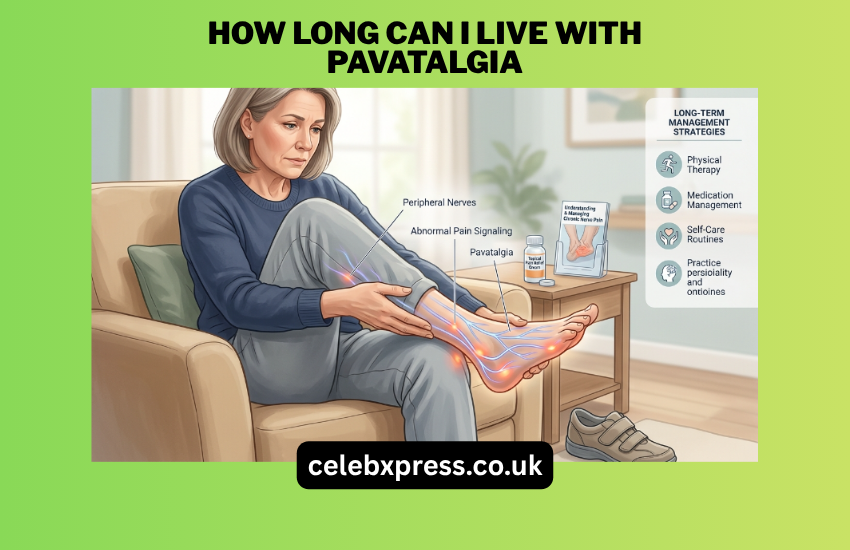
Treatment Options and Long-Term Management Strategies
Managing pavatalgia usually involves a combination of medical treatment and lifestyle changes. One of the first steps is often addressing the underlying cause, such as switching to supportive footwear or reducing repetitive strain on the feet. These simple changes can significantly reduce symptoms over time.
Medications such as anti-inflammatory drugs or nerve pain relievers may be prescribed in some cases. These do not cure the condition but can help reduce discomfort and improve daily functioning. Physical therapy is also commonly recommended to strengthen foot muscles and improve posture.
In some situations, advanced treatments such as nerve therapy or injections may be considered if pain is severe or persistent. However, most people respond well to conservative management approaches without needing invasive procedures.
Long-term management is key. Pavatalgia is often not a condition that disappears overnight, but with consistent care, symptoms can become much more manageable. The goal is not just pain relief but also maintaining mobility and quality of life.
Emotional Health, Stress, and Living with Chronic Pain
Chronic pain conditions like pavatalgia do not only affect the body but also the mind. Ongoing discomfort can lead to stress, anxiety, or frustration, especially when it interferes with daily routines. This emotional impact is an important part of the overall experience.
Some individuals may worry excessively after searching how long can i live with pavatalgia, even though the condition is not life-threatening. This anxiety can sometimes make pain feel worse, creating a cycle of stress and discomfort.
Managing emotional health is just as important as treating physical symptoms. Techniques such as relaxation exercises, mindfulness, and gentle physical activity can help reduce stress levels and improve pain tolerance. Support from family, friends, or healthcare professionals also plays a crucial role.
Over time, many people learn to adapt to their condition. While the pain may not disappear completely, its impact on emotional well-being can be reduced significantly with the right coping strategies.
Long-Term Outlook and Life Expectancy with Pavatalgia
The most important question for many people is whether pavatalgia affects lifespan. The clear medical understanding is that it does not. People with this condition have a normal life expectancy, and the condition itself is not associated with mortality risk.
When considering how long can i live with pavatalgia, the answer is reassuring: as long as someone without the condition. The difference lies in quality of life, not length of life. With proper care, most individuals can continue working, exercising, and enjoying daily activities.
In some cases, symptoms may improve significantly over time, especially when underlying causes are addressed early. Even when symptoms persist, they can often be controlled to a level that allows a comfortable lifestyle.
The long-term outlook is generally positive. Pavatalgia is a manageable condition, and with ongoing medical support, many people adapt successfully and continue living active, fulfilling lives.
Conclusion
Pavatalgia may sound concerning at first, especially when it causes persistent foot pain, but it is important to understand what it truly represents. It is a chronic pain condition, not a life-threatening disease. Most importantly, it does not reduce life expectancy.
People searching how long can i live with pavatalgia can feel reassured that the answer is simple: a normal lifespan. The real challenge lies in managing symptoms, improving comfort, and maintaining quality of life through proper treatment and lifestyle adjustments.
With the right combination of medical care, supportive footwear, physical therapy, and emotional support, most individuals can successfully manage pavatalgia. While the condition may require patience and long-term attention, it does not define or limit the length of life—only how comfortably that life is lived.
